

Doç. Dr. Cengiz ANDANOnline

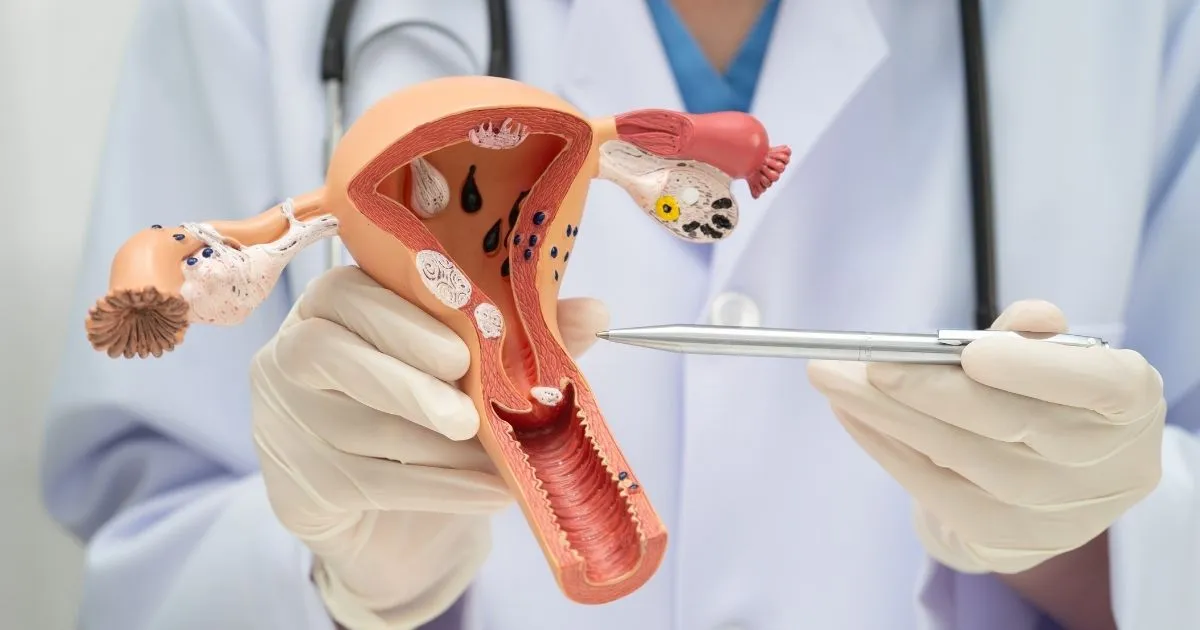
The word “cancer” creates justifiable anxiety in all of us the moment it is heard. However, at the point modern medicine has reached, we know that our strongest weapon in the war against cancer is not chemotherapy or radiotherapy, but early diagnosis.
Especially women’s cancers (gynecological cancers) are a group of diseases that can be prevented with regular screenings or can be completely treated by being caught at a very early stage. As Assoc. Prof. Dr. Cengiz Andan, I always emphasize: “Early diagnosis saves lives in cancer, while being late exhausts options.”
So, what signals is your body giving you? Which symptom is a simple infection, and which is a harbinger of a serious disease? Here are the 3 most common types of gynecological cancer women face and the vital clues you need to pay attention to.
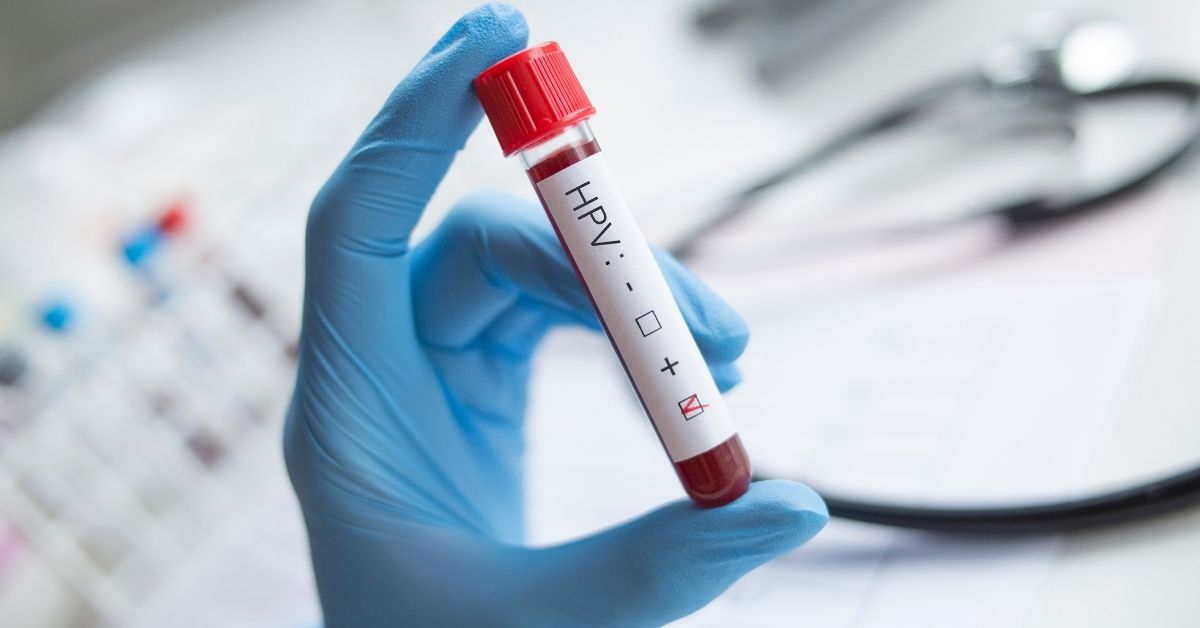
It is known in the medical world as the only “preventable” cancer type. Because its cause is 99.7% clear: HPV (Human Papilloma Virus). Since the process of becoming cancerous takes 10-15 years after the virus is transmitted, cancer can be caught at the “precursor lesion” stage before it even forms, thanks to regular checks.
Symptoms You Need to Watch Out For:
Your Protection Shield:
It is the most common among cancers of the female reproductive system. It is generally encountered more frequently in the post-menopausal period or in women with a history of obesity, diabetes, and hypertension. Fortunately, since it gives symptoms very early, it is usually caught at an early stage, and a complete cure can be achieved only with surgery (removal of the uterus).
Its Most Important Symptom:
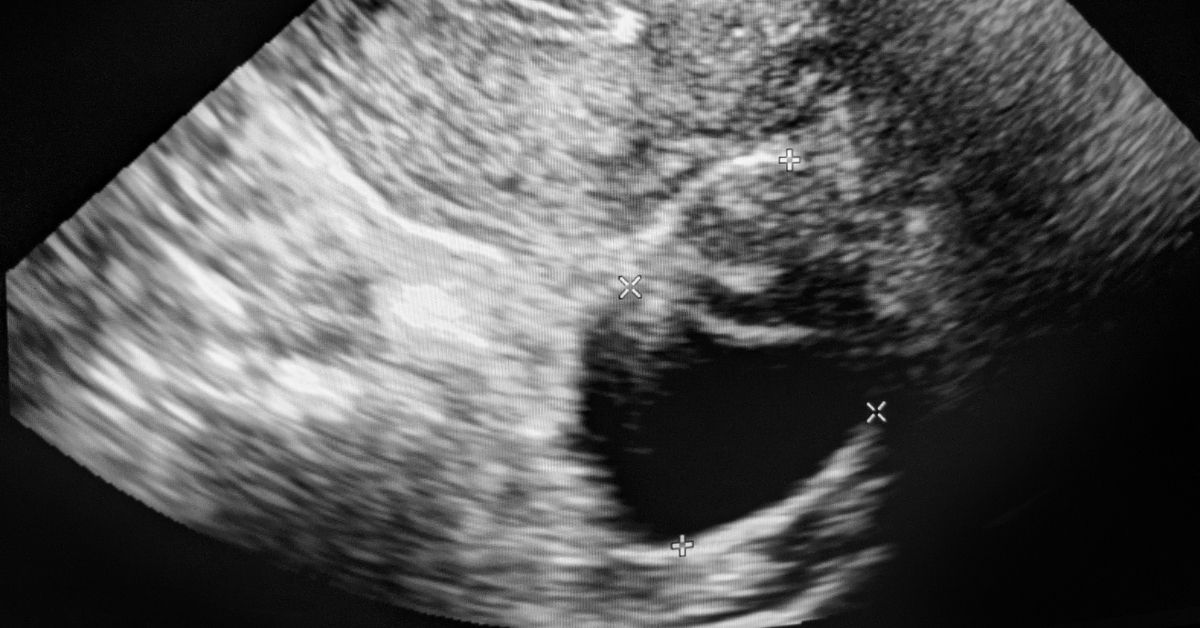
It is the type of gynecological cancer that is hardest to detect and, unfortunately, can progress most fatally. Because the ovaries are located in a large space inside the abdomen, the tumor does not put pressure on surrounding organs until it grows large. Therefore, routine checks are of vital importance.
Insidious Symptoms (Usually Mistaken for Stomach Trouble):
If you have stomach-bowel complaints that do not pass despite going to a gastroenterology specialist, you must definitely see a gynecologist and have your ovaries checked.
Assoc. Prof. Dr. Cengiz Andan’s Approach to Diagnosis and Treatment
Time is very precious for a patient who has a suspicion or diagnosis of cancer. In our clinic;
Remember; a gynecological examination is not just a “check-up,” it is the greatest life gift you can give to yourself and your loved ones. 20 minutes you set aside once a year can save your life.