
Doç. Dr. Cengiz ANDAN
Online
×
Fibroids are among the most frequent diagnoses women hear during gynecological examinations. Seen in 1 out of every 4 women of reproductive age, these masses, although usually benign, can turn life into a nightmare with the complaints they create.
The first fear that comes to the mind of a woman diagnosed with fibroids is usually this: “If I have surgery, will they remove my uterus?” or “Will I be left with a huge scar on my belly?”
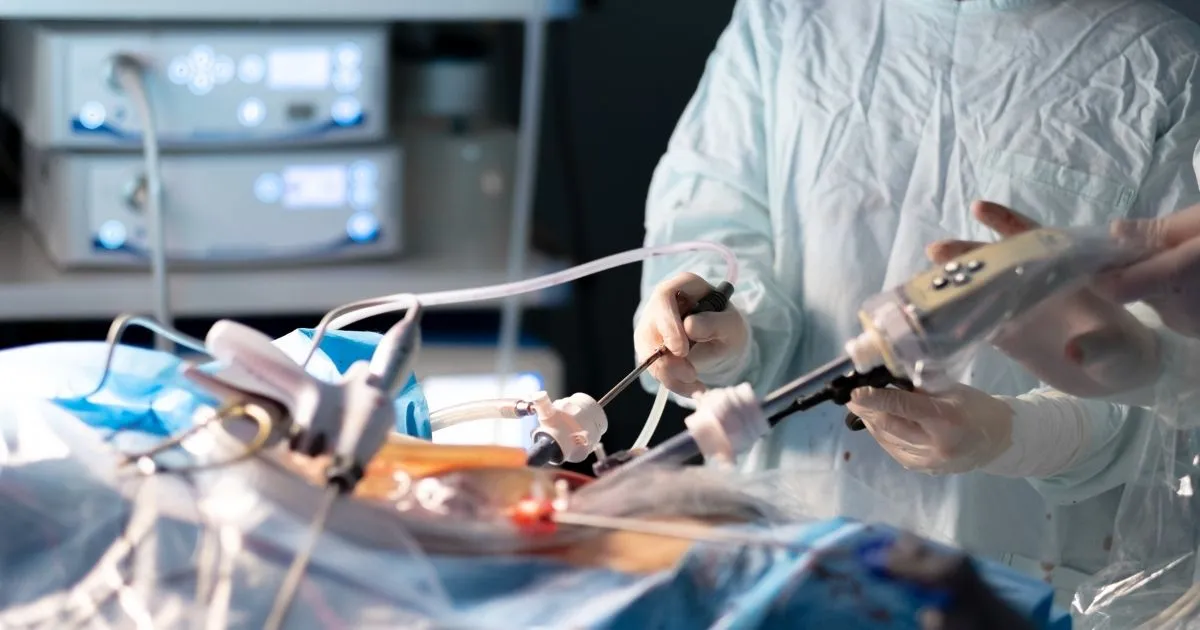
As Assoc. Prof. Dr. Cengiz Andan, we answer these concerns with technology and experience: No. Thanks to Laparoscopic Myomectomy (Closed Method Fibroid Removal), which is today’s gold standard, we can remove only the fibroids as easily as pulling a hair out of butter, without damaging your uterus. Moreover, with a scar-free technology that puts an end to your aesthetic concerns.
The Uninvited Guest: What is a Fibroid and Why Does It Create Problems?
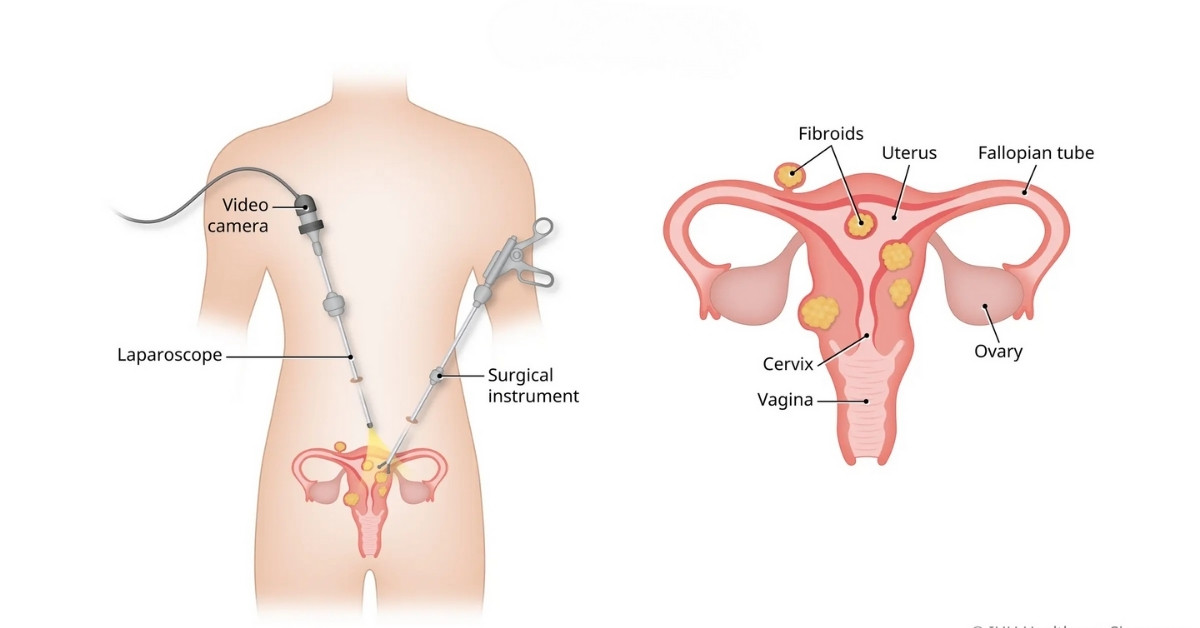
Fibroids are benign tumors originating from the muscle layer of the uterus (myometrium) with an extremely low risk of becoming cancerous (0.1%). Although it is not exactly known why they form, it is known that they are sensitive to the estrogen hormone and have a genetic transition.
Not every fibroid requires surgery. However, if it gives the following symptoms, it must definitely be treated:
Uterus-Preserving Surgery: Laparoscopic Myomectomy
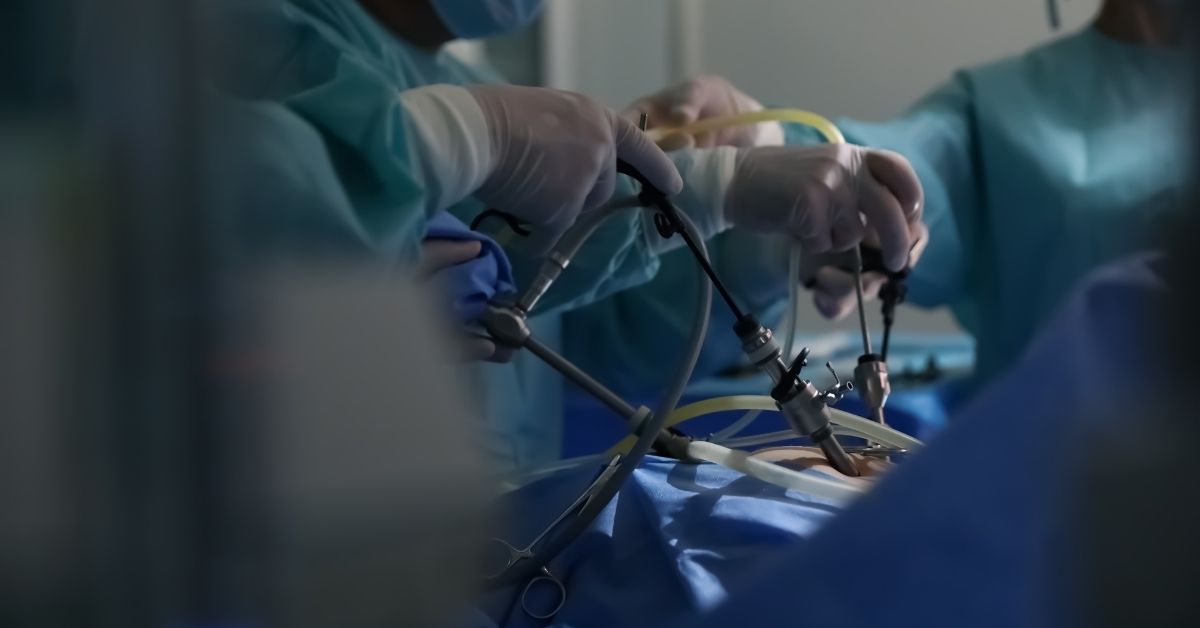
In the past, fibroid surgeries were performed by opening the abdomen like a C-section, and sometimes the patient’s uterus was also removed due to the risk of bleeding. Today, we act with the principle of “Organ Preserving Surgery.”
The process in the Laparoscopic Myomectomy procedure works as follows:
The removed fibroid is taken into a special bag (endobag) inside the abdomen. With a special device called a Morcellator, it is thinned into strips inside the bag and taken out through that small hole. So even if your fibroid is 10 cm, there is no need to cut your abdomen.
Why Should You Choose the Closed Method Instead of Open Surgery?
Laparoscopic myomectomy is not just an aesthetic choice, but a medical necessity. The advantages of the closed method carry vital importance, especially for women who are considering having children:
Fibroid Surgery and Pregnancy
The biggest fear of our patients is the question, “Can I have children after surgery?” Answer: Yes, it even becomes easier.A fibroid filling the inside of the uterus or creating pressure can prevent pregnancy or cause you to miscarry. Removing the fibroid relieves the uterus and provides a healthy environment for the baby to settle. The important thing is that the surgery is performed by experienced hands without damaging the uterus.
At Assoc. Prof. Dr. Cengiz Andan Clinic, our priority is to protect the uterus at all costs and to continue the woman’s chance of motherhood. Fibroids are your fate, but remaining without a uterus is not your obligation.