

Doç. Dr. Cengiz ANDAN
Online
×
One of the most frequent causes underlying the complaints of couples applying to an obstetrics and gynecology clinic for the inability to have children (infertility) is Endometriosis, commonly known among the public as Chocolate Cyst.
Seeing a cyst in the ovaries on an ultrasound performed during a routine check-up or due to severe menstrual pain, especially in young women, brings with it a great fear: “Will I not be able to have children?”
As Assoc. Prof. Dr. Cengiz Andan, our answer to this question is clear: A chocolate cyst may make getting pregnant difficult, but it does not make it impossible. With the correct treatment management, the vast majority of endometriosis patients experience the happiness of becoming a mother. So, how does this disease affect the reproductive system, and what treatment paths should be followed?
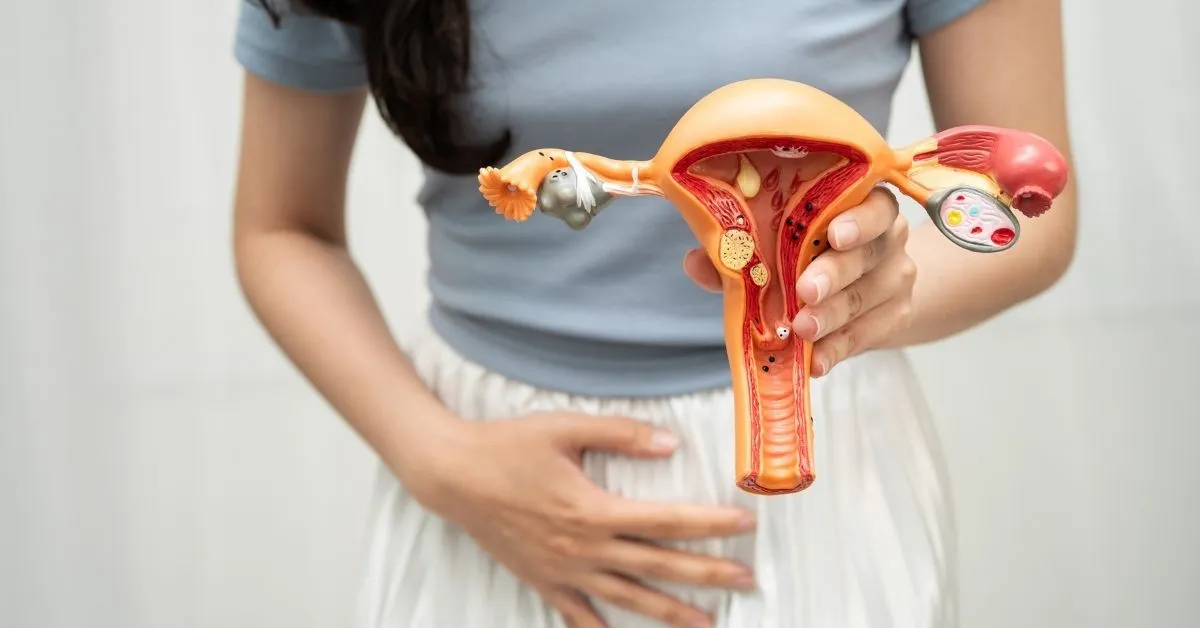
How Does a Chocolate Cyst Complicate Pregnancy?
Endometriosis is not just a simple cyst sitting on the ovary; it disrupts the functioning of the reproductive system with the chronic inflammation it creates in the pelvic region (the lower abdomen). The answer to the question “Does endometriosis cause infertility?” lies in the following mechanisms created by the disease:
Critical Junction: Ovarian Reserve (AMH) and Treatment Decision
For a patient diagnosed with a chocolate cyst who wants children, the treatment plan does not consist of a single straight line. The most determining factor here is the ovarian reserve.
The cyst itself can damage the reserve by pressing on the healthy tissue in the ovary where it is located. At this point, we ask our patients for an AMH Test (Anti-Müllerian Hormone) to evaluate the status of the egg pool.
Treatment Options: Surgery or IVF?
This is the issue our patients face the most dilemmas with. When making this decision in our clinic, we consider the following criteria:
Thanks to developing IVF technologies today, success rates in women with chocolate cysts are quite close to women without cysts. The important thing is to consult an infertility and endometriosis specialist without wasting time. Delaying treatment by saying “I have a cyst, I can’t have children” may cause the ovarian reserve to decrease further over time.
Remember; endometriosis is a manageable condition and is not an end to your dreams of motherhood, but merely an obstacle that needs to be overcome.