Incision-Free Intrauterine Treatment: Removal of Polyps, Fibroids, and Adhesions with Office Hysteroscopy
The latest point technology has reached in the treatment of women’s diseases is to provide the greatest benefit with the least harm to the patient. What if we told you that your intrauterine problems could be solved without any incision in your abdomen, without stitches, and sometimes even without the need for anesthesia?
Here, Hysteroscopy is a miraculous method that provides exactly this. At Assoc. Prof. Dr. Cengiz Andan Clinic, we use the Hysteroscopic Surgery method as the gold standard, especially in the investigation of infertility causes, recurrent miscarriages, and abnormal bleeding.
What is Hysteroscopy?
Literally, it means “looking inside the uterus.” Its biggest difference from laparoscopy (closed surgery) is that no hole is opened in the abdomen. The procedure is performed entirely using the body’s natural opening, the vagina and the cervix.
The uterus is entered with an instrument only a few millimeters in diameter (thinner than a pen), which has a high-resolution camera and light system at its tip. The inside of the uterus is slightly inflated with a special fluid to separate the walls, and the interior is monitored on a monitor with crystal clarity. In this way, even the smallest pathologies not visible on ultrasound are detected and treated in the same session.
Incision-Free Intrauterine Treatment: Removal of Polyps, Fibroids, and Adhesions with Office Hysteroscopy
Diagnosis and Treatment in One: “See and Treat”
Hysteroscopy is basically applied in two ways, and time is saved for our patients with the “See and Treat” principle in our clinic.
Office Hysteroscopy (Diagnostic) It is a procedure that usually does not require anesthesia and can be performed under examination room conditions. The patient is laid on the gynecological examination table, and the inside of the uterus is viewed with a very thin camera. If polyps, small adhesions, or suspicious areas are seen, intervention can be made at that moment. It is painless; the patient can watch the inside of her own uterus on the screen during the procedure. She returns to her normal life immediately after the procedure.
Operative Hysteroscopy (Surgical) When larger polyps, large fibroids, or deep curtains (septum) need to be corrected, it is performed under operating room conditions and light anesthesia (sedation). The procedure takes 15-30 minutes depending on the intervention to be performed. The patient is discharged on the same day.
Incision-Free Intrauterine Treatment: Removal of Polyps, Fibroids, and Adhesions with Office Hysteroscopy
In Which Situations is Hysteroscopy Performed?
Hysteroscopy is the only solution for all kinds of problems concerning the uterine cavity:
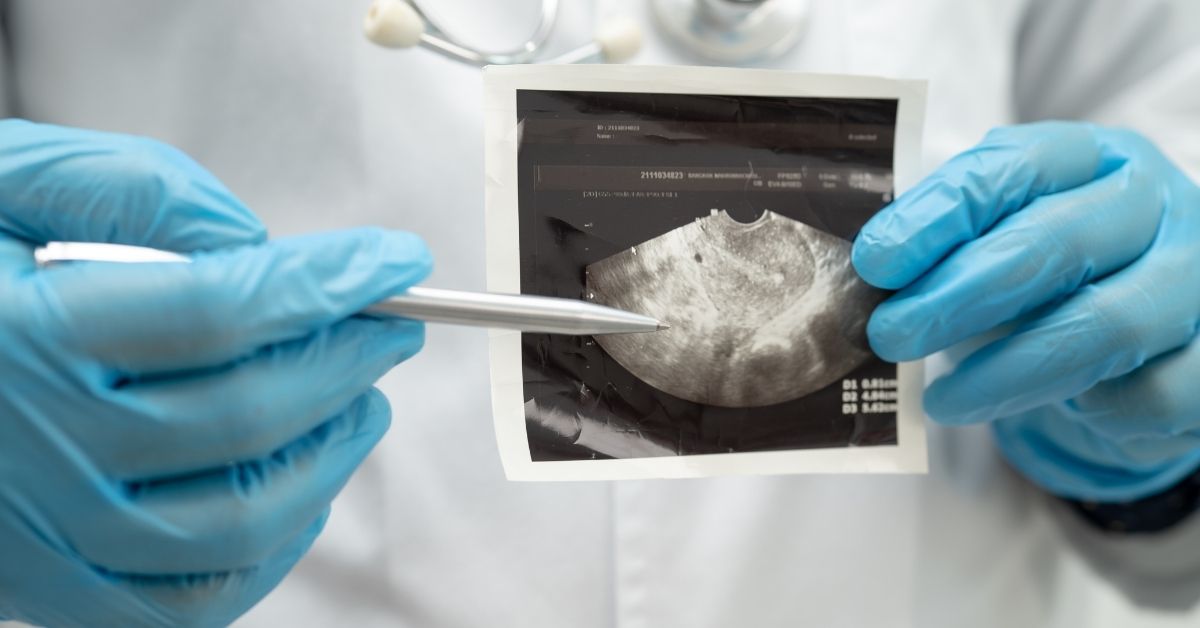
Endometrial Polyps (Pieces of Flesh): Benign pieces of flesh originating from the uterine lining. They can cause irregular bleeding and, most importantly, prevent the baby from attaching by acting like a spiral (IUD). They are removed by cutting from the root with hysteroscopy.
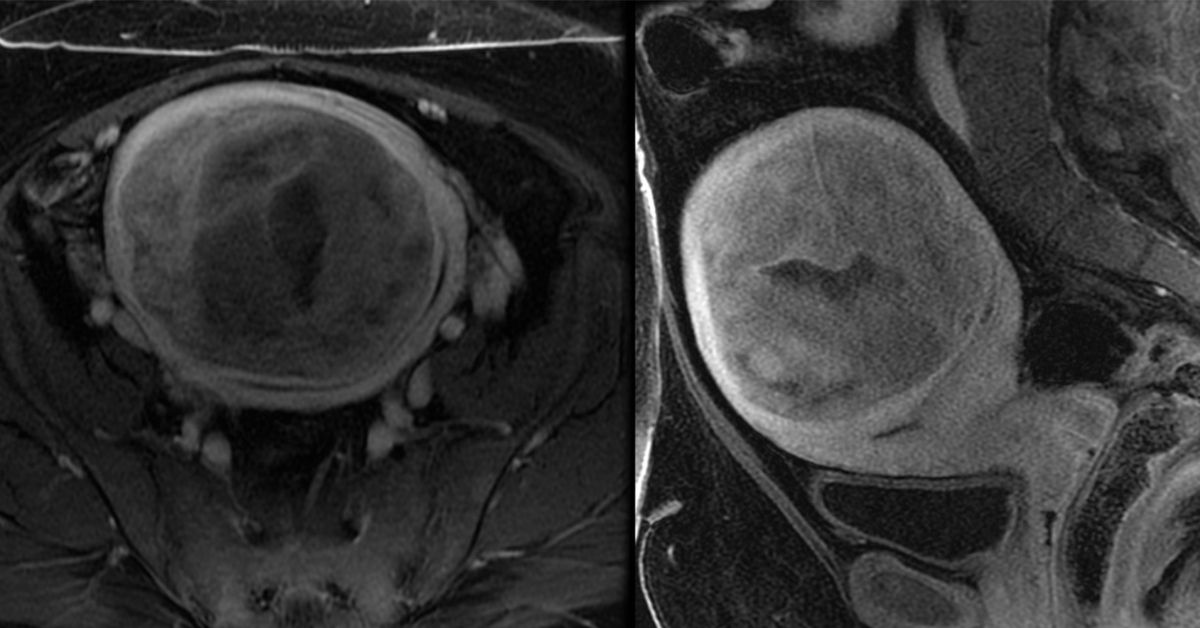
Submucous Fibroids: It is the type of fibroids growing into the uterus. It is the chief culprit of severe bleeding and infertility. They are cleaned by shaving via the vaginal route with hysteroscopy without the need for abdominal surgery.
Intrauterine Curtain (Uterine Septum): A wall/curtain tissue present from birth in the middle of the uterus, dividing the uterus in two. Since it narrows the uterine volume, it causes recurrent miscarriages or premature birth. With hysteroscopy, this curtain is cut, and the uterus is made into a single and wide room.
Intrauterine Adhesions (Asherman’s Syndrome): It is the sticking of uterine walls to each other after previously experienced abortions or infections. It manifests itself with a decrease in the amount of menstruation or no menstruation at all. It is an important cause of infertility. Adhesions are opened millimetrically with hysteroscopy.
IVF Failure: In patients where pregnancy does not occur despite the transfer of good quality embryos, hysteroscopy is performed to understand if there is an overlooked problem inside the uterus. Sometimes, the chance of attachment is increased by just performing a “scratching” (endometrial injury) process inside the uterus.
Advantages of Hysteroscopy for Patients
Incision-Free: There are no cuts, stitches, or scars on your body.
Rapid Recovery: It does not require hospitalization. You can go home 1-2 hours after the procedure and start work the next day.
Painless: In office hysteroscopy, there may be a sensation like a mild menstrual cramp; in the operative procedure, no pain is felt at all because there is anesthesia.
Increases Pregnancy Chance: Since mechanical obstacles inside the uterus (polyp, curtain, adhesion) are removed, the chance of spontaneous pregnancy increases significantly in the months following the procedure.
Remember; the uterus is your baby’s first home. It being smooth and healthy is the most basic condition for the formation and continuation of pregnancy. With the experience of Assoc. Prof. Dr. Cengiz Andan, your intrauterine problems are solved in an incision-free and safe manner.
Frequently Asked Questions (FAQ)
Does hysteroscopy damage the hymen?
Yes, since hysteroscopy is performed vaginally, the hymen may be broken in single (virgin) patients. However, in very mandatory medical situations (severe bleeding, etc.), it can be done with the patient’s consent, or it can be attempted to enter without touching the hymen structure with very thin office hysteroscopy instruments (hymen-sparing hysteroscopy), but this may not be possible in every case.
Is bleeding normal after the procedure?
Yes, it is extremely normal to have pink or brown discharge in the form of light spotting for 3-5 days after the procedure. This is a part of the internal healing process.
When can I get pregnant after hysteroscopy?
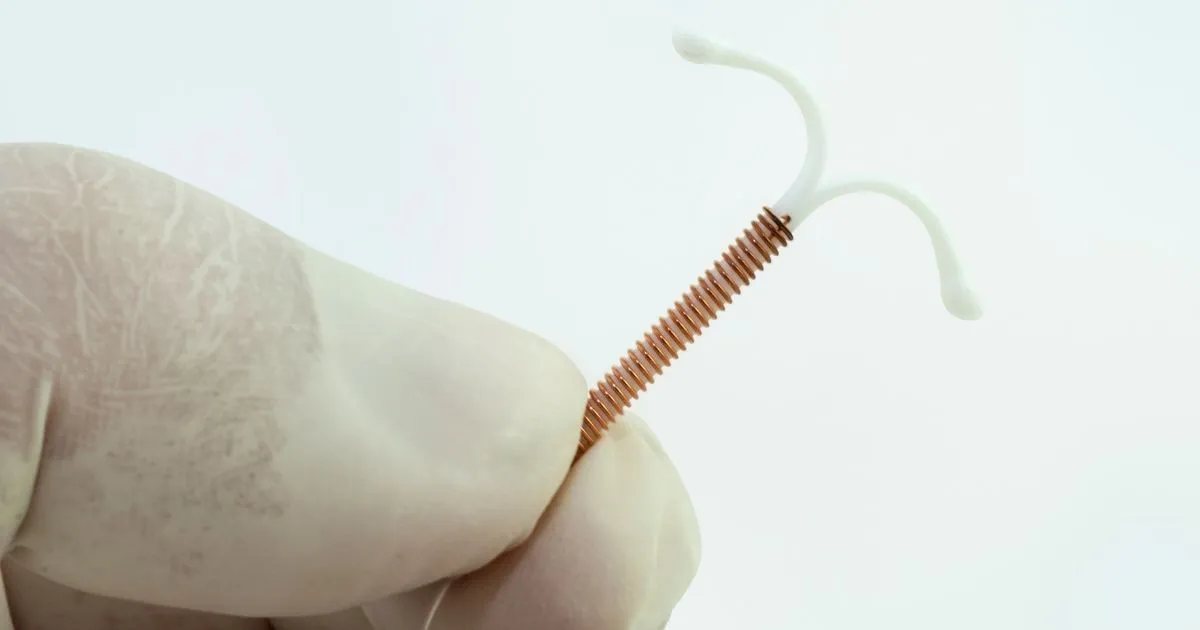
If only a simple polyp was removed or a diagnostic procedure was performed, pregnancy can be tried immediately after the next menstrual period. However, if a deep septum (curtain) was cut or dense adhesions were opened, a waiting period with estrogen hormone support and a coil (IUD) for 1-2 months may be required for the uterus to repair itself.
Is hysteroscopy mandatory before IVF treatment?
It is not routine for every patient. However, if there is a suspicious image on the ultrasound (polyp, etc.), if there are previous failed IVF attempts, or if the uterine film (HSG) is not normal, it must definitely be performed. A clean uterus is the key to success.
Is hysteroscopy painful, is anesthesia required?
Office hysteroscopy (diagnostic) is usually performed without anesthesia or with local anesthesia, and the patient may feel a cramp similar to a mild menstrual pain; it is not unbearable pain. Operative hysteroscopy (surgical procedure) is definitely performed under sedation (light sleep state), so the patient feels and remembers nothing.