The Hidden Culprit of Severe Menstrual Pain: Endometriosis (Chocolate Cyst) and Treatment Ways
Endometriosis chocolate cyst treatment is a crucial part of managing this condition and improving quality of life. Endometriosis, often known as chocolate cyst disease, can present with different symptoms and severity in each patient. In some cases, it appears as simple ovarian cysts, while in others it can develop into a much deeper and more complex condition.
Endometriosis Chocolate Cyst Treatment
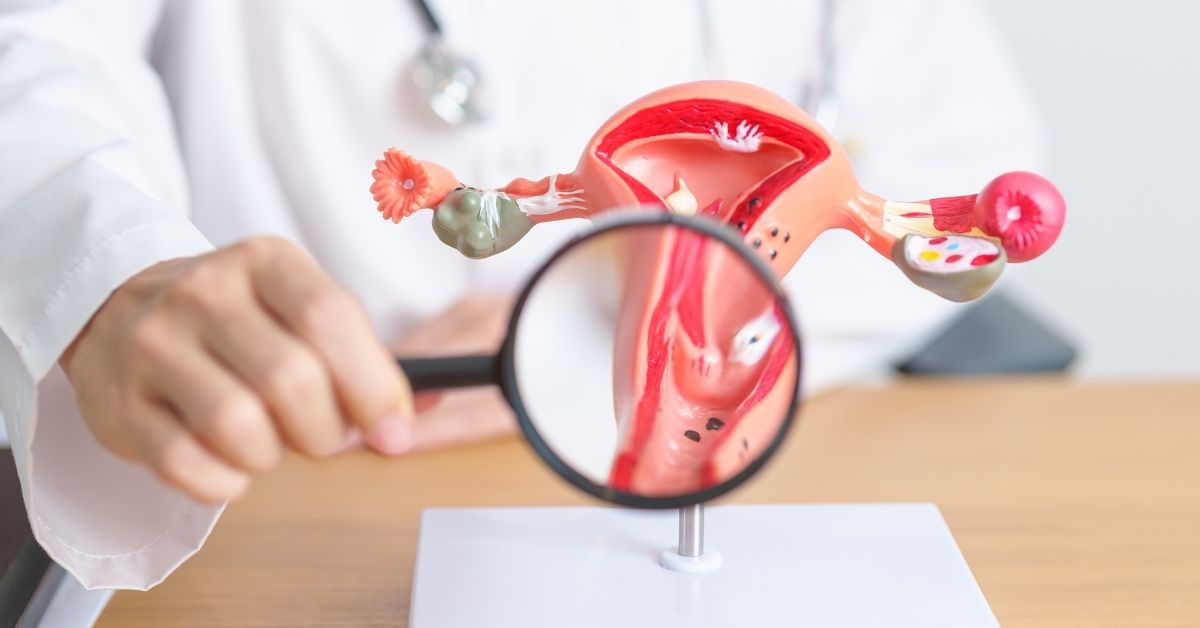
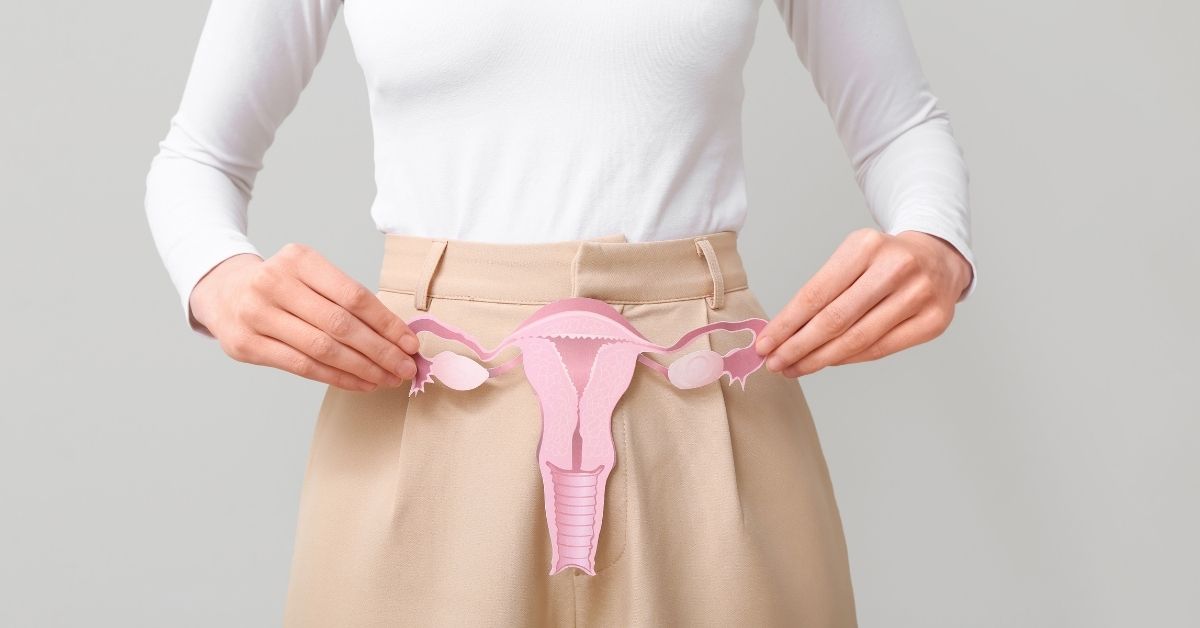
One of the most frequently heard complaints in women’s health is menstrual cramps. Unfortunately, misconceptions such as “suffering from menstrual pain is normal” or “it will pass after marriage” are common in society. However, cramps that disrupt daily life, keep you from your work or social life, and are resistant to painkillers are definitely not “normal.” The underlying cause of this picture is usually Endometriosis, known among the public as Chocolate Cyst disease.The approach to endometriosis chocolate cyst treatment depends on the stage of the disease and the patient’s individual symptoms. Both medical and surgical options may be considered.As Assoc. Prof. Dr. Cengiz Andan, I can state that endometriosis, which we frequently encounter in our clinic, is a chronic disease that seriously lowers the quality of life of women of reproductive age but can be managed with correct diagnosis and treatment.What is Endometriosis and How Does It Develop in the Body?The tissue that lines the inside of the uterus and sheds every month with menstrual bleeding is called “endometrium.” The simplest answer to the question “What is endometriosis?” is the condition where this tissue is found outside the uterus, in places where it should not be. These tissues most frequently settle on the ovaries, fallopian tubes, the space behind the uterus (Pouch of Douglas), intestines, and the urinary bladder.Just as the tissue inside the uterus thickens, bleeds, and sheds during a normal menstrual cycle, these foci located outside the uterus experience the same hormonal changes. This means that micro-level bleeding occurs inside the abdomen every month.However, there is no way for this blood to be expelled. The blood trapped inside causes inflammation, adhesions, and cystic structures in the surrounding tissues over time. Since this old blood accumulating in the ovaries takes on the consistency of melted chocolate over time, this structure is called a chocolate cyst (endometrioma).The Hidden Culprit of Severe Menstrual Pain: Endometriosis (Chocolate Cyst) and Treatment WaysListen to the Signals Your Body Gives: Symptoms of Chocolate CystEndometriosis is a disease that can progress insidiously. While it causes no symptoms in some patients, it can lead to unbearable pain in others. For early diagnosis, you need to listen to your body and be alert to the following symptoms of chocolate cyst:
Severe and Chronic Menstrual Pain (Dysmenorrhea): Cramps usually start a few days before menstruation and may continue after bleeding ends. Ordinary painkillers may be insufficient to soothe this pain.
Pain During Sexual Intercourse (Dyspareunia): Pain felt especially during deep contact is one of the most distinct signs of endometriosis (especially the deep infiltrating type).
Infertility: Chocolate cysts can lower ovarian reserve or cause adhesions in the tubes, preventing pregnancy. Endometriosis is detected in approximately 30-50% of unexplained infertility cases.
Chronic Pelvic Pain: Groin and lower back pain can be seen not only during the menstrual period but also on other days of the month.
Bowel and Urinary Problems: Pain during defecation, diarrhea-constipation attacks, or burning during urination, especially during menstrual periods, may be an indication that the disease has spread to the intestines or bladder.
Endometriosis Diagnosis and Modern Treatment ApproachesIn patients applying to our clinic with a suspicion of endometriosis, a detailed gynecological examination and ultrasonography are the first steps. Chocolate cysts, in particular, can be easily recognized by their typical appearance on ultrasound. However, MRI imaging may sometimes be required for the detection of deep-seated nodules.Endometriosis treatment is planned individually according to the patient’s age, ovarian reserve, pain severity, and most importantly, whether there is a desire for children. Two main paths are followed in treatment:
Medication Treatment: Hormone-suppressing drugs can be used to control pain and slow the progression of the disease. However, drugs do not completely destroy the cysts; they only suppress them.
Surgical Treatment (Laparoscopy): Surgery comes to the agenda in cases of severe pain unresponsive to drug treatment, cases where the cyst grows very large (usually over 5 cm), or in infertility treatment. Today, the gold standard method is Laparoscopic Surgery, i.e., closed surgery.
The Hidden Culprit of Severe Menstrual Pain: Endometriosis (Chocolate Cyst) and Treatment WaysWith the laparoscopic method, the cyst wall is removed and adhesions are cleaned by entering through only a few small holes without opening the abdomen. This method increases patient comfort, shortens the hospital stay, and most importantly, damages the ovarian reserve less compared to open surgery. As Assoc. Prof. Dr. Cengiz Andan, our main goal in surgery is to protect the woman’s fertility capacity at the maximum level while cleaning the disease.Remember, painful menstruation is not your destiny. Early diagnosis both increases your quality of life and protects your dream of becoming a mother in the future.
Frequently Asked Questions (FAQ)
Does a chocolate cyst (Endometriosis) go away on its own?
No, endometriosis is a chronic and progressive disease. It remains active as long as the estrogen hormone exists until menopause. Although it tends to regress as hormone levels drop with menopause, it is not expected to disappear on its own during the reproductive age.
I am an endometriosis patient, can I get pregnant?
Yes, you can. Endometriosis may make it difficult to get pregnant, but it does not make it impossible. Spontaneous pregnancy can occur in mild and moderate cases. In advanced stages, the chance of pregnancy is quite high with laparoscopic surgery or In Vitro Fertilization (IVF) treatments.
If I have surgery, will the chocolate cyst recur?
Endometriosis is a disease with a risk of recurrence by nature. However, a good surgical cleaning performed by experienced hands (complete removal of the cyst wall and burning of foci) minimizes the risk of recurrence. The process should also be supported by suppressive medical treatments after surgery.
Can endometriosis surgery be performed on single patients?
Yes, it can be performed. If the cyst is very large, there is a risk of rupture, or the pain turns the patient’s life into a dungeon, surgery is applied to single patients as well. These surgeries do not mean the removal of the uterus or ovaries; only the cyst is taken, the hymen is not damaged, and fertility is preserved.
Does endometriosis turn into cancer?
Endometriosis is fundamentally a benign disease. The probability of it turning into cancer is extremely low (less than 1%). However, since it is thought that there may be a weak relationship between some types of ovarian cancer and endometriosis, regular follow-up of cysts and pathological examination in suspicious cases are of vital importance.