
Doç. Dr. Cengiz Andan

Chocolate Cyst

Is a Chocolate Cyst (Endometrioma) an Obstacle to Pregnancy? The Relationship Between Infertility and Endometriosis

One of the most frequent causes underlying the complaints of couples applying to an obstetrics and gynecology clinic for the inability to have children (infertility) is Endometriosis, commonly known among the public as Chocolate Cyst.

Seeing a cyst in the ovaries on an ultrasound performed during a routine check-up or due to severe menstrual pain, especially in young women, brings with it a great fear: “Will I not be able to have children?”

As Assoc. Prof. Dr. Cengiz Andan, our answer to this question is clear: A chocolate cyst may make getting pregnant difficult, but it does not make it impossible. With the correct treatment management, the vast majority of endometriosis patients experience the happiness of becoming a mother. So, how does this disease affect the reproductive system, and what treatment paths should be followed?

Is a Chocolate Cyst (Endometrioma) an Obstacle to Pregnancy?

How Does a Chocolate Cyst Complicate Pregnancy?

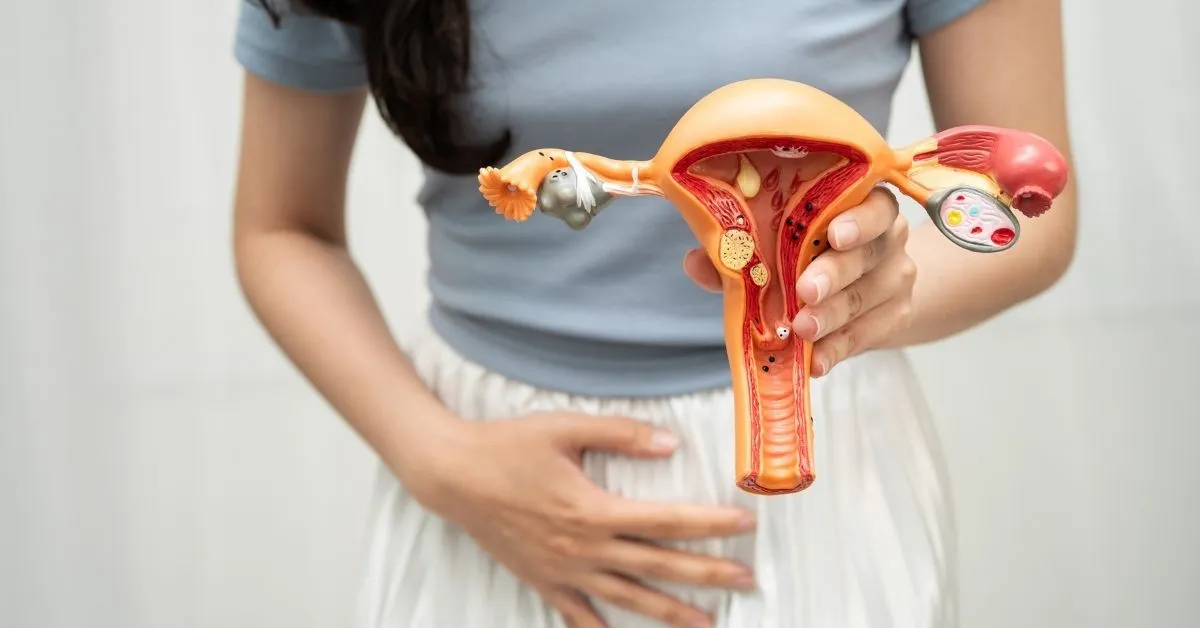
Endometriosis is not just a simple cyst sitting on the ovary; it disrupts the functioning of the reproductive system with the chronic inflammation it creates in the pelvic region (the lower abdomen). The answer to the question “Does endometriosis cause infertility?” lies in the following mechanisms created by the disease:

  • Anatomical Distortion and Adhesions: Endometriosis foci create sticky tissue inside the abdomen. These adhesions can restrict the movement of the tubes carrying the egg (fallopian tubes) or cause the tubes to be completely blocked. If the tubes cannot catch the egg released from the ovary and transport it into the uterus, natural pregnancy is prevented.
  • Decline in Egg Quality: The presence of the cyst can create a toxic environment in the ovarian tissue. This situation can impair the quality of the eggs, reducing fertilization capacity or making it difficult for the embryo to attach to the uterus.
  • Hormonal Imbalances: The disease can disrupt the ovulation mechanism or create progesterone resistance, shaking the hormonal environment necessary for the continuation of pregnancy.
  • Implantation Issues: Overstimulation of the immune system may cause the secretion of factors that prevent the embryo from attaching to the uterine wall.

Critical Junction: Ovarian Reserve (AMH) and Treatment Decision

For a patient diagnosed with a chocolate cyst who wants children, the treatment plan does not consist of a single straight line. The most determining factor here is the ovarian reserve.

The cyst itself can damage the reserve by pressing on the healthy tissue in the ovary where it is located. At this point, we ask our patients for an AMH Test (Anti-Müllerian Hormone) to evaluate the status of the egg pool.

  • If the AMH Value is Low: Since surgical intervention (removal of the cyst) may damage healthy ovarian tissue, even if minimally, priority is usually given to IVF (In Vitro Fertilization) treatment. The aim is to obtain embryos without losing existing eggs.
  • If the AMH Value is Good and the Cyst is Very Large: If the cyst is very large (over 5-6 cm), blocks access to the tubes, or causes severe pain, the cyst is first cleaned with Laparoscopic Surgery (closed surgery), and then natural pregnancy or treatment is planned.
Is a Chocolate Cyst (Endometrioma) an Obstacle to Pregnancy?

Treatment Options: Surgery or IVF?

This is the issue our patients face the most dilemmas with. When making this decision in our clinic, we consider the following criteria:

  1. The Woman’s Age: In patients under 35, if the tubes are open and sperm values are normal, natural pregnancy can be expected for 6-12 months after surgery. However, in patients over 35-38, IVF and chocolate cyst protocols are prioritized to avoid wasting time.
  2. Pain Level: If the patient has severe pain that disrupts their quality of life, surgery becomes a priority. A painless life is as important as pregnancy.
  3. Presence of Bilateral Cysts: Having cysts on both ovaries makes the situation a bit more complicated and requires more sensitive management.

Thanks to developing IVF technologies today, success rates in women with chocolate cysts are quite close to women without cysts. The important thing is to consult an infertility and endometriosis specialist without wasting time. Delaying treatment by saying “I have a cyst, I can’t have children” may cause the ovarian reserve to decrease further over time.

Remember; endometriosis is a manageable condition and is not an end to your dreams of motherhood, but merely an obstacle that needs to be overcome.

Frequently Asked Questions (FAQ)

Can those with chocolate cysts get pregnant naturally?

Yes, they can. Some endometriosis patients get pregnant and give birth naturally without even being aware of their disease. However, as the disease progresses (Stage 3 and 4), the chance of natural pregnancy decreases due to increased adhesions, and medical support may be required.

The saying frequently heard among the public, “If you get pregnant, it will pass,” is partially true but is not a complete cure. Since menstruation does not occur during pregnancy and the progesterone hormone is dominant, cysts may shrink and pains stop. However, when the menstrual cycle begins after birth, the disease can become active again.

Not always. If the cyst is not in a position to prevent egg collection and its size is not excessive, we prefer to start IVF treatment directly without surgery. Unnecessary surgery can reduce ovarian reserve. This decision is made entirely according to the patient’s specific situation.

There are studies suggesting that the risk of miscarriage in patients with endometriosis is slightly increased compared to the normal population. This may be due to immune system changes in the inner lining of the uterus or progesterone deficiency. However, once pregnancy occurs, it is possible to have a healthy birth with appropriate follow-up and medication support.

Absolutely yes. If you have a chocolate cyst and do not plan marriage/pregnancy in the near future, having an egg freezing (oocyte cryopreservation) procedure before your ovarian reserve is damaged by the cyst is the wisest investment to guarantee your future chance of motherhood.

Profile Picture
Doç. Dr. Cengiz ANDAN Online
×
Merhaba.
Size nasıl yardımcı olabilirim?
Hi.
How can I help you?