Doç. Dr. Cengiz Andan

Online Second Opinion
Skip to content

Second Opinion · Ovarian Cyst Decisions

Ovary Preservation in Cyst Surgery: A Standard to Insist On, Verified in Advance

You have decided the cyst comes out — and you want to keep the ovary that carries it. That goal is achievable for most cyst surgery, and it is worth protecting deliberately. Preservation is not a wish expressed to the surgeon; it is a set of concrete commitments — a reserve-sparing technique, a measured baseline, and a consent clause that bounds what may be removed while you sleep. Each can be verified before the operation rather than hoped for after. You can send your reports via WhatsApp for review by Assoc. Prof. Dr. Cengiz Andan.

The online consultation turns the goal into a verified plan: the technique standards that protect reserve during cystectomy — how the cyst is separated, how bleeding is controlled without cooking the remaining tissue — the value of a baseline AMH measured before surgery so preservation can actually be assessed afterward, the consent wording that reserves ovary removal for named findings only, and the honest feasibility question — because for most cysts preservation is standard, and for a few it genuinely is not. The review follows the assessment approach of the Assoc. Prof. Dr. Cengiz Andan Clinic in Nişantaşı, Şişli, Istanbul.

Fast response, fast appointment: once your reports arrive on WhatsApp, your request is reviewed promptly and your online consultation is scheduled at the earliest suitable time.

  • The technique that spares reserve
  • The AMH baseline before surgery
  • Consent bounded to real findings
  • Where preservation is genuinely feasible

Online second opinion

Online Second Opinion with Assoc. Prof. Dr. Cengiz Andan

If you would like a specialist second opinion about the diagnosis, treatment or surgery proposed for “Ovary Preservation in Cyst Surgery: A Standard to Insist On, Verified in Advance”, your ultrasound scans, MRI results, medical reports and other documents can be reviewed in detail by Assoc. Prof. Dr. Cengiz Andan.

During the online second-opinion consultation, our doctor:

  • Reviews your ultrasound scans, MRI results and other tests in detail.
  • Medically assesses the treatment or surgery that has been recommended to you.
  • Explains alternative treatment options when they are appropriate for your case.
  • Answers your questions in detail during a one-to-one video consultation.

There is no predetermined fixed time limit for the online consultation. The consultation ends after all submitted reports and test results have been reviewed, your questions have been answered and the doctor has completed the necessary explanations. The aim is not to fill a fixed appointment time, but to provide the information you need to understand your condition, treatment options and next steps.

Support also continues after the consultation. For one month after the online consultation, you may send follow-up questions through WhatsApp about the condition and treatment discussed during the appointment and receive written consultation support at no additional charge.

You can watch a short example of how the online second-opinion consultation works in the video beside this text.

Message us on WhatsApp for an online consultation
Online second-opinion video with Assoc. Prof. Dr. Cengiz Andan

This video shows a short example of an online video consultation between the doctor and a patient.

The goal you are actually protecting

Ovary preservation lives or dies on three things — and all three are settled before the incision.

The technique: cystectomy that separates the cyst along its natural plane and controls bleeding with precision rather than broad thermal energy, because the reserve toll comes as much from how the ovary is closed as from what is removed. The baseline: an AMH measured before surgery, without which “your ovary is fine” afterward is an assertion with nothing to stand on — you cannot protect what you never measured. The consent: wording that authorizes ovary removal only for specified findings — genuine destruction, suspicion requiring intact removal — rather than a blank check redeemable at the surgeon's convenience. Settle all three before the incision and preservation becomes a plan; leave any to chance and it becomes a hope with poor odds.

Question 1

Does the technique meet the reserve-sparing standard?

How the cyst is separated and how the bed is managed determine the reserve cost — precise dissection and judicious bleeding control preserve follicles that broad cautery destroys. The review checks whether the proposed technique reflects the standard, and arms you with the questions that reveal it.

Question 2

Has a baseline AMH been measured?

Preservation that cannot be assessed is preservation on trust — a pre-operative AMH turns the outcome into something measurable, letting you and your surgeon know what the operation actually cost. The review flags its absence, because the baseline is cheap and its lack is expensive.

Question 3

What does your consent actually authorize?

“Cystectomy, possible oophorectomy” without bounds hands your ovary to the moment. The review helps you convert it into bounded authorization — removal only for named findings, thresholds written — so the decision made in your sleep is one you defined awake.

What should you send?

The reports that carry this decision

Preservation is verified from the imaging, the reserve numbers and the consent. Send all three.

  • The imaging reports — the cyst's identity and separability
  • Pelvic MRI report and images, if performed
  • AMH value with date, if measured — the baseline
  • Antral follicle counts, if reported
  • The other ovary's described state
  • The proposed operation, route and technique, as described
  • The consent wording, exactly as written
  • Your age, fertility plans and preservation priorities

Why the baseline is the cheapest insurance you can buy

A single blood test before surgery is what makes “we preserved your ovary” a fact instead of a claim.

AMH costs little and takes minutes, yet its presence or absence transforms the entire preservation conversation: measured beforehand, it lets a follow-up value quantify the operation's true reserve cost and confirm the ovary's function; unmeasured, it leaves everyone — surgeon and patient alike — asserting preservation on the strength of the operation note. For anyone to whom the ovary's function matters, obtaining that baseline before surgery is among the highest-value, lowest-effort steps available. The review insists on it wherever it is missing.

The plan is verified as a whole: the technique held to the reserve-sparing standard, the baseline AMH secured, the consent bounded to named findings, and the feasibility honestly assessed — preservation converted from hope into a verified plan.

What the review looks for

Findings that shape the preservation plan

In preservation reviews, these are the patterns that most often decide the specifics.

  • A benign-identity cyst on a separable plane — preservation's textbook case
  • A proposed technique heavy on broad cautery — the reserve leak to catch
  • No baseline AMH in the file — the missing, cheap insurance
  • An unbounded oophorectomy clause awaiting signature
  • Suspicion features genuinely present — where intact removal overrides preservation
  • An ovary imaging suggests is largely destroyed — the honest feasibility limit
  • A low baseline reserve making the freezing question precede surgery
  • A bilateral situation doubling the preservation stakes

The three commitments

What ovary preservation actually requires, verified

The table lists the commitments preservation depends on — the consultation verifies each for your plan.

CommitmentWhat it meansWhat the second opinion clarifies
Reserve-sparing techniquePrecise separation, controlled bleedingWhether the proposed method reflects the standard — and the questions that reveal it.
Baseline AMHReserve measured before surgeryWhether it exists — and why its absence undermines every later claim.
Bounded consentRemoval only for named findingsHow to convert a blank check into defined authorization.
Honest feasibilityPreservation where genuinely possibleWhether your cyst's identity and findings truly permit it.
Freezing questionPreservation's backstop where reserve is lowWhether banking eggs precedes surgery in your specific numbers.
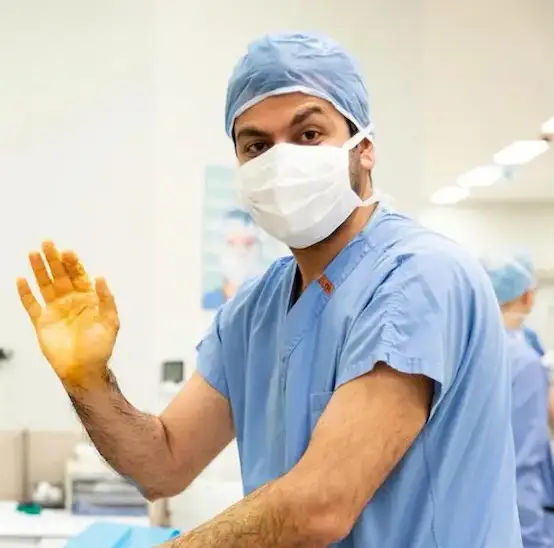
Assoc. Prof. Dr. Cengiz Andan verifying an ovary preservation plan
Turning preservation from hope into a verified plan in an online consultation.

Doctor's approach

How is ovary preservation verified in the online consultation?

In the online consultation with Assoc. Prof. Dr. Cengiz Andan, preservation is treated as a plan to verify rather than a wish to voice: the technique is checked against the reserve-sparing standard, the baseline AMH is secured or its absence flagged, the consent is bounded to named findings, and the feasibility is assessed honestly — so you reach the operating room with preservation engineered, not merely requested.

Where the baseline numbers or your plans make fertility the decision's spine — the freezing backstop, the timing, what the ovary must carry afterward — that dimension is reviewed on the fertility preservation second opinion page.

And the underlying question — whether this cyst needed surgery at all, and what its identity demands — connects to the full decision tree on the ovarian cyst second opinion page, because the best-preserved ovary is the one that never needed operating on.

Frequently asked questions

The questions patients actually ask about preserving the ovary

How does cyst surgery cost me ovarian reserve in the first place?

Two ways, both technique-dependent: the separation itself can take a margin of healthy ovarian tissue along with the cyst wall, and the bleeding control afterward — if done with broad thermal energy rather than precise methods — can destroy follicles in the remaining tissue. Skilled reserve-sparing technique minimizes both; hurried or heavy-handed technique maximizes them. This is exactly why the how of the operation, not just the what, is worth verifying in advance.

What should I ask my surgeon to make sure they'll spare my ovary?

A few precise questions reveal a great deal: how they separate the cyst from the ovary, how they control bleeding in the ovarian bed, whether they measure AMH before and after, and what specifically would make them remove the ovary rather than the cyst. Fluent, specific answers indicate a reserve-conscious surgeon; vague ones are themselves information. The review gives you the full question set tailored to your case.

Why does it matter if my AMH is measured before surgery?

Because without a baseline, no one can honestly say what the operation cost you — 'your ovary looks fine' is an eyeball impression, not a measurement, and reserve loss is invisible to inspection. A pre-operative AMH lets a follow-up value quantify the true impact and confirm function, turning preservation from a claim into a documented outcome. It is inexpensive, quick, and its absence is one of the review's most common findings worth fixing.

Can they really promise to keep my ovary before the operation?

They can commit to trying, bound the exceptions, and verify the technique — which is different from an absolute promise, because genuine surprises exist. What you should insist on is bounded consent: your ovary preserved unless specified findings appear — frank destruction, or suspicion requiring intact removal — with those findings named rather than left to discretion. That converts an open-ended clause into a defined agreement, which the review helps you draft.

Is there ever a good reason to just remove the ovary with the cyst?

Yes, a short and legitimate list: imaging features suspicious enough that intact removal is the correct standard, an ovary genuinely destroyed by the cyst with no salvageable tissue, or a postmenopausal calculus where the hormone cost has retired. Each is verifiable from your imaging and history. The review checks whether your situation is on that list or whether removal would be convenience borrowing the language of necessity.

Which documents do you need for this second opinion?

The imaging reports and MRI if performed, your AMH with date if measured, follicle counts, the other ovary's state, the proposed operation and technique, the consent wording exactly as written, and your fertility priorities. Preservation is verified from the imaging, the numbers and the consent together — send all three.

What happens if the review finds preservation genuinely isn't feasible for my cyst?

Then you learn it before the operation rather than after, with reasons: which specific features or findings make preservation impossible, what a maximal attempt would honestly involve, and — where reserve matters — whether freezing should precede the surgery to bank what the operation cannot save. A feasibility limit named in advance, with its backstop options, is a far better position than a preservation hope disappointed in the recovery room.

Preservation is a plan you verify, not a hope you voice: send your reports and have it engineered.

Write to us directly on WhatsApp and send your imaging, reserve numbers and the consent wording. The online second opinion, provided through the Assoc. Prof. Dr. Cengiz Andan Clinic in Nişantaşı, Şişli, Istanbul, holds the technique to the reserve-sparing standard, secures the baseline, bounds the consent to named findings, and returns an honest feasibility verdict — preservation turned into a verified plan before you are on the table.

Send your reports and request a consultation
Doç. Dr. Cengiz Andan
Doç. Dr. Cengiz ANDANOnline
Merhaba.
Size nasıl yardımcı olabilirim?